

How does the blade diameter affect the cutting performance of a granite stone saw blade?
Leave a message

Hey there! As a supplier of Granite Stone Saw Blades, I've seen firsthand how different factors can impact the cutting performance of these tools. One of the most significant factors is the blade diameter. In this blog, I'll share my insights on how blade diameter affects the cutting performance of a granite stone saw blade.
Understanding Blade Diameter
First things first, let's talk about what blade diameter means. The blade diameter is simply the measurement of the blade from one end to the other, passing through the center. It's usually measured in inches, and common diameters for granite stone saw blades range from 4 inches to 24 inches.
Cutting Speed
One of the most obvious ways blade diameter affects cutting performance is through cutting speed. Generally speaking, larger diameter blades can cut through granite faster than smaller diameter blades. This is because a larger blade has a greater circumference, which means it can cover more area with each rotation. For example, a 16 Inch Granite Saw Blade can cut through granite much quicker than a 4-inch blade when used on the same machine.
However, it's important to note that cutting speed isn't just about the blade diameter. The power of the saw, the quality of the blade, and the type of granite also play a role. A high-powered saw with a good quality blade can cut through granite faster than a low-powered saw with a poor quality blade, even if the blade diameters are the same.
Cutting Depth
Another important aspect of cutting performance is cutting depth. The blade diameter directly affects how deep the saw can cut into the granite. A larger diameter blade can cut deeper than a smaller diameter blade. This is crucial when you're working on projects that require deep cuts, such as cutting thick granite slabs for countertops or large architectural pieces.
For instance, if you're cutting a 3-inch thick granite slab, you'll need a blade with a sufficient diameter to make the cut. A small blade might not be able to reach the full depth, while a larger blade can easily cut through the entire thickness.
Precision and Control
When it comes to precision and control, smaller diameter blades have an edge. They are more maneuverable and easier to control, especially when making intricate cuts or working on detailed projects. You can make precise turns and cuts with a smaller blade without worrying about the blade getting in the way or causing damage to the surrounding area.
On the other hand, larger diameter blades can be a bit more challenging to control, especially for beginners. They have more mass and momentum, which can make it harder to make fine adjustments. However, with practice and the right technique, you can still achieve good precision with a larger blade.
Heat Generation
Heat generation is another factor to consider. When cutting granite, friction between the blade and the stone generates heat. A larger diameter blade generates more heat because it has more surface area in contact with the granite. Excessive heat can damage the blade and reduce its lifespan.
To combat this, many Granite Stone Saw Blades are designed with special features to dissipate heat, such as cooling slots or vents. These features help to keep the blade cool and extend its life.
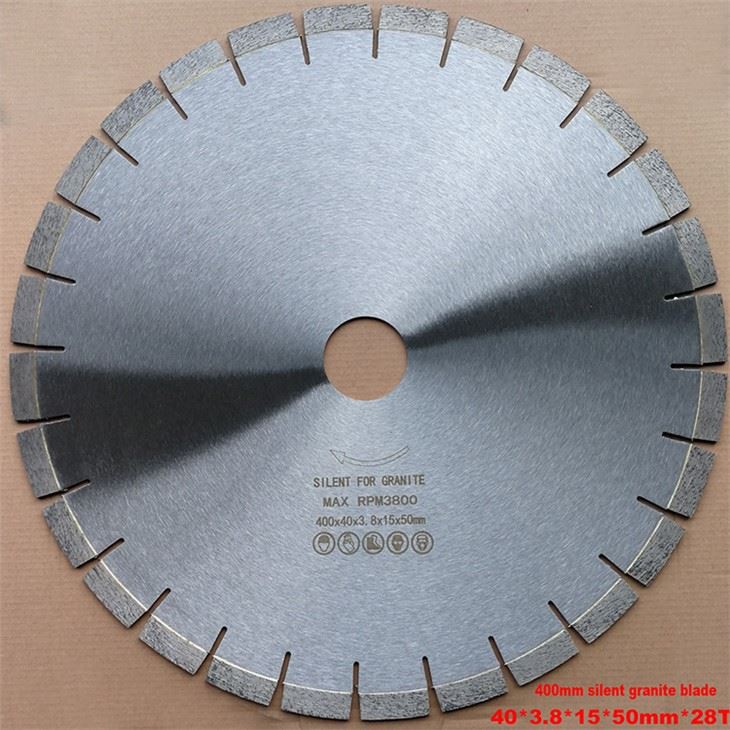
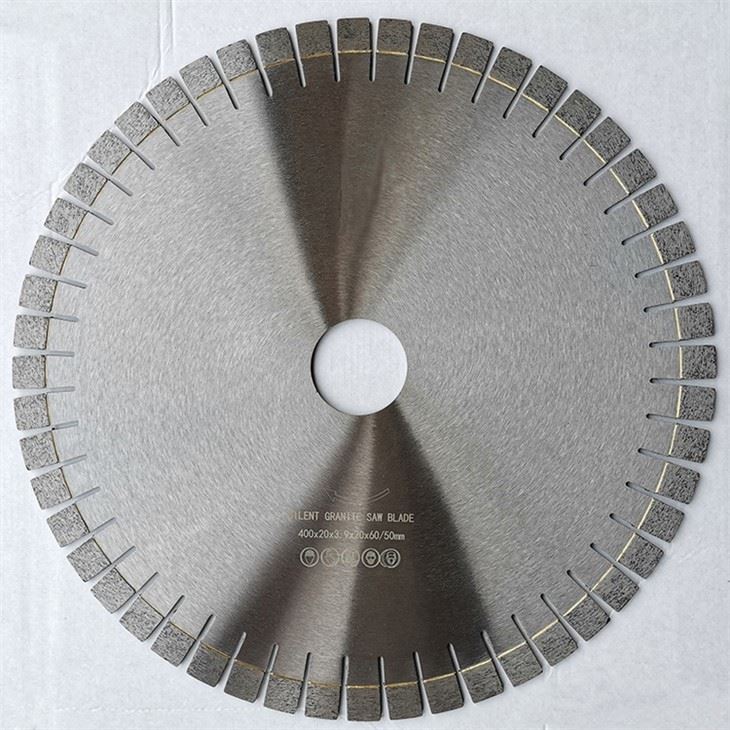
Noise and Vibration
Noise and vibration are also affected by the blade diameter. Larger diameter blades tend to produce more noise and vibration than smaller diameter blades. This is because they have more mass and are rotating at a higher speed. Excessive noise and vibration can not only be annoying but also affect the quality of the cut and the lifespan of the blade.
To reduce noise and vibration, you can consider using a Silent Granite Saw Blade. These blades are designed with special features to dampen noise and vibration, making them a great choice for both the operator and the surrounding environment.
Choosing the Right Blade Diameter
So, how do you choose the right blade diameter for your project? It depends on several factors, including the type of project, the thickness of the granite, and your personal preferences.
- For small, detailed projects: A smaller diameter blade, such as a 4-inch or 6-inch blade, is a good choice. These blades offer better precision and control, making them ideal for cutting small pieces or making intricate cuts.
- For large, thick granite slabs: A larger diameter blade, such as a 16-inch or 24-inch blade, is recommended. These blades can cut through thick slabs quickly and efficiently, saving you time and effort.
- For general-purpose cutting: A medium-sized blade, such as an 8-inch or 10-inch blade, is a versatile option. It can handle a wide range of projects and provides a good balance between cutting speed, precision, and control.
Conclusion
In conclusion, the blade diameter has a significant impact on the cutting performance of a granite stone saw blade. Larger diameter blades offer faster cutting speed and greater cutting depth, while smaller diameter blades provide better precision and control. When choosing a blade diameter, it's important to consider the type of project, the thickness of the granite, and your personal preferences.
If you're in the market for a high-quality granite stone saw blade, we've got you covered. We offer a wide range of Granite Stone Saw Blades in different diameters to suit your needs. Whether you're a professional contractor or a DIY enthusiast, we can help you find the perfect blade for your project.
Don't hesitate to reach out if you have any questions or need more information. We're here to assist you in making the right choice for your cutting needs. Let's work together to achieve the best results in your granite cutting projects!
References
- Some industry - specific books on stone cutting tools
- Manufacturer's guides and specifications for granite saw blades


