

What is the difference between a round and a rectangular polishing pad?
Leave a message

As a supplier of polishing pads, I've witnessed firsthand the varying needs and preferences of customers when it comes to choosing the right polishing pad. One of the most common questions I encounter is, "What is the difference between a round and a rectangular polishing pad?" In this blog, I'll delve into the unique characteristics, advantages, and applications of both round and rectangular polishing pads to help you make an informed decision for your polishing needs.
Design and Shape
The most obvious difference between round and rectangular polishing pads lies in their shape. Round polishing pads, as the name suggests, are circular in design. They typically feature a central hole for attachment to a polishing machine, allowing for easy rotation during the polishing process. This circular shape enables smooth and continuous movement, making them ideal for applications that require a uniform finish.
On the other hand, rectangular polishing pads have a more elongated and angular shape. They are often used with handheld or floor polishing machines and can cover a larger surface area in a single pass compared to round pads. The rectangular design provides better access to corners and edges, making them suitable for polishing irregularly shaped surfaces or areas with limited space.
Polishing Performance
When it comes to polishing performance, both round and rectangular pads have their strengths. Round polishing pads are known for their ability to provide a consistent and even finish. The circular motion of the pad ensures that the polishing compound is evenly distributed across the surface, resulting in a smooth and glossy appearance. They are particularly effective for polishing curved or rounded surfaces, such as countertops, tabletops, and automotive parts.

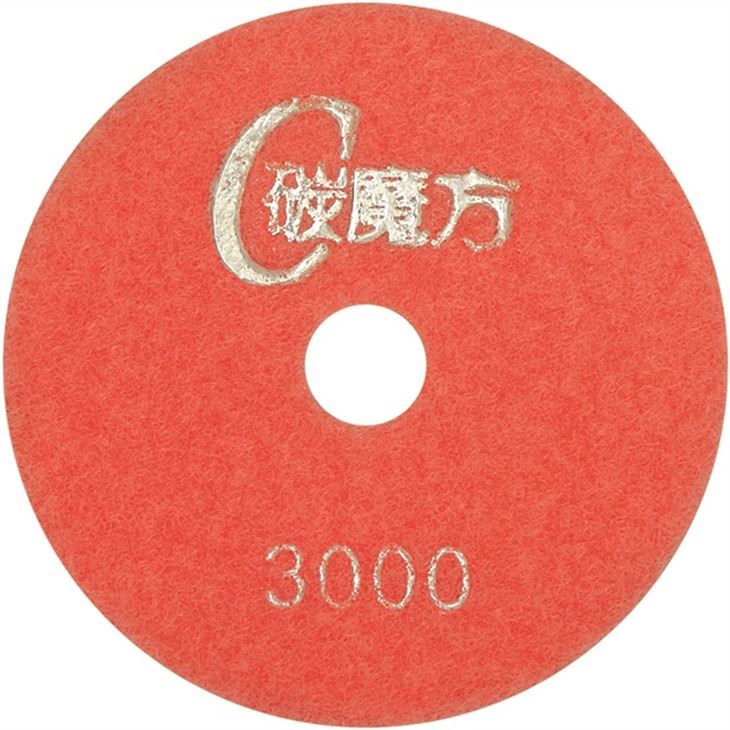
Rectangular polishing pads, on the other hand, offer greater coverage and efficiency. Their larger surface area allows for faster polishing, making them a popular choice for large-scale projects, such as floor polishing or industrial applications. The rectangular shape also provides better control and maneuverability, allowing users to target specific areas more precisely. Additionally, rectangular pads are often designed with multiple layers or segments, which can enhance the polishing performance and durability.
Application and Versatility
The choice between a round and a rectangular polishing pad largely depends on the specific application and surface being polished. Round polishing pads are commonly used in the automotive, woodworking, and jewelry industries, where a high-quality finish is required. They are also suitable for polishing small to medium-sized objects, such as mirrors, glassware, and metal components.
Rectangular polishing pads, on the other hand, are widely used in the flooring, construction, and manufacturing industries. They are ideal for polishing large surfaces, such as concrete floors, marble countertops, and granite tiles. The rectangular shape allows for easy access to corners and edges, making them a popular choice for commercial and residential applications.
In addition to their primary applications, both round and rectangular polishing pads can be used with a variety of polishing compounds and materials, including diamond, silicon carbide, and aluminum oxide. This versatility makes them suitable for a wide range of polishing tasks, from rough grinding to fine finishing.
Durability and Longevity
Another important factor to consider when choosing a polishing pad is its durability and longevity. Round polishing pads are typically made from high-quality materials, such as foam, felt, or microfiber, which are designed to withstand the rigors of the polishing process. They are also available in a variety of densities and hardness levels, allowing users to choose the pad that best suits their specific needs.
Rectangular polishing pads, on the other hand, are often constructed with a more robust and durable design. They are typically made from materials such as polyester, nylon, or diamond-impregnated resin, which provide excellent abrasion resistance and long-lasting performance. Additionally, rectangular pads are often designed with a reinforced edge or backing, which helps to prevent tearing and damage during use.
Cost and Affordability
Cost is always a consideration when purchasing polishing pads. Round polishing pads are generally more affordable than rectangular pads, especially for smaller sizes and lower-quality materials. However, the cost of a polishing pad can vary depending on the brand, size, and quality of the materials used.
Rectangular polishing pads, on the other hand, are often more expensive due to their larger size and more complex design. However, they can also provide greater value for money in the long run, as they offer faster polishing and longer-lasting performance. Additionally, many rectangular pads are available in bulk quantities, which can help to reduce the overall cost per pad.
Conclusion
In conclusion, the choice between a round and a rectangular polishing pad depends on a variety of factors, including the specific application, surface being polished, desired finish, and budget. Round polishing pads are ideal for applications that require a uniform finish and smooth, continuous movement, while rectangular pads are better suited for large-scale projects and areas with limited space.
As a supplier of Wet Resin Polishing Pads, I offer a wide range of round and rectangular polishing pads to meet the diverse needs of my customers. Whether you're a professional contractor, DIY enthusiast, or industrial manufacturer, I can help you find the right polishing pad for your project.
If you have any questions or would like to discuss your polishing needs further, please don't hesitate to contact me. I'm always happy to provide expert advice and assistance to help you achieve the best possible results.
References
- [1] Smith, J. (2020). Polishing Pads: A Comprehensive Guide. Industrial Polishing Journal, 15(2), 34-42.
- [2] Johnson, A. (2019). The Benefits of Using Round vs. Rectangular Polishing Pads. Automotive Detailing Magazine, 22(4), 56-63.
- [3] Brown, C. (2018). Choosing the Right Polishing Pad for Your Project. Construction Today, 30(3), 78-85.


