

What is the difference between foam and microfiber polishing pads?
Leave a message

In the world of surface finishing and detailing, the choice of polishing pads can significantly impact the quality of the final result. As a leading supplier of polishing pads, I often encounter customers who are confused about the differences between foam and microfiber polishing pads. In this blog post, I will delve into the characteristics, advantages, and applications of each type to help you make an informed decision.
Composition and Structure
Foam polishing pads are typically made from polyurethane foam. This material is known for its softness and flexibility, which allows it to conform to the shape of the surface being polished. The foam structure consists of numerous small cells that trap and hold the polishing compound, providing a consistent and even application. The density and hardness of foam pads can vary, with softer pads being more suitable for finishing and harder pads for more aggressive cutting.
On the other hand, microfiber polishing pads are composed of millions of tiny synthetic fibers. These fibers are extremely fine, typically less than one denier (a unit of measurement for fiber thickness). The microfiber construction creates a large surface area, which enhances the pad's ability to pick up and distribute the polishing compound effectively. Microfiber pads come in different grades, from very fine for final finishing to coarser grades for initial paint correction.
Cutting and Polishing Performance
One of the key differences between foam and microfiber polishing pads lies in their cutting and polishing performance. Foam pads are generally better at removing light scratches, swirl marks, and oxidation. The soft foam material gently abrades the surface, reducing the risk of causing further damage. However, foam pads may not be as effective in removing deep scratches or heavy paint defects.
Microfiber pads, on the other hand, offer a higher cutting power. The fine fibers can dig into the paint surface more aggressively, making them ideal for removing stubborn scratches, oxidation, and clear coat damage. Microfiber pads are also more efficient at reducing holograms and producing a high - gloss finish. However, due to their higher cutting ability, there is a greater risk of over - polishing or causing swirl marks if not used correctly.
Heat Generation
Another important factor to consider is heat generation during the polishing process. Foam pads tend to generate less heat compared to microfiber pads. The soft foam material dissipates heat more evenly, which is beneficial when working on sensitive surfaces such as clear coats or painted plastics. Excessive heat can cause the paint to soften or even burn, leading to permanent damage.

Microfiber pads, because of their more aggressive cutting action, can generate more heat. It is crucial to use proper techniques and apply the right amount of pressure when using microfiber pads to prevent overheating. Additionally, using a lubricant or a polishing compound with good heat - dissipating properties can help mitigate the heat issue.
Absorbency and Compatibility with Polishing Compounds
Foam pads have a high absorbency rate, which means they can hold a significant amount of polishing compound. This allows for longer working times without the need to re - apply the compound frequently. However, the high absorbency can also be a drawback, as it may cause the pad to become saturated and lose its effectiveness over time.
Microfiber pads have a lower absorbency compared to foam pads. This can be an advantage when using thin or low - viscosity polishing compounds, as the pads are less likely to become oversaturated. Microfiber pads are also more compatible with a wider range of polishing compounds, including water - based and solvent - based products.
Cleaning and Maintenance
Cleaning and maintaining polishing pads is essential to ensure their longevity and performance. Foam pads can be cleaned by soaking them in warm, soapy water and gently squeezing out the dirt and debris. However, due to their porous nature, it can be challenging to completely remove all the polishing compound from the foam cells. Over time, the build - up of compound can affect the pad's performance.
Microfiber pads are relatively easier to clean. They can be washed in a washing machine on a gentle cycle with a mild detergent. The microfiber material dries quickly, and most of the polishing compound can be removed effectively. Regular cleaning of microfiber pads helps maintain their cutting and polishing performance.
Applications
Foam pads are commonly used in automotive detailing for finishing and waxing applications. They are ideal for achieving a smooth, glossy finish on painted surfaces, as well as for polishing chrome, glass, and plastic trim. Foam pads are also popular in the furniture and woodworking industries for polishing and refinishing wooden surfaces.
Microfiber pads are widely used in paint correction processes. Whether it's removing deep scratches from a car's paint job or restoring the shine of a boat's gel coat, microfiber pads are the go - to choice for professional detailers. They are also suitable for polishing metal surfaces, such as aluminum and stainless steel.
Our Product Range
As a polishing pad supplier, we offer a wide range of foam and microfiber polishing pads to meet the diverse needs of our customers. Our foam pads come in various densities and colors, each designed for specific polishing tasks. From soft white foam pads for final finishing to hard orange foam pads for heavy cutting, we have the right pad for every job.
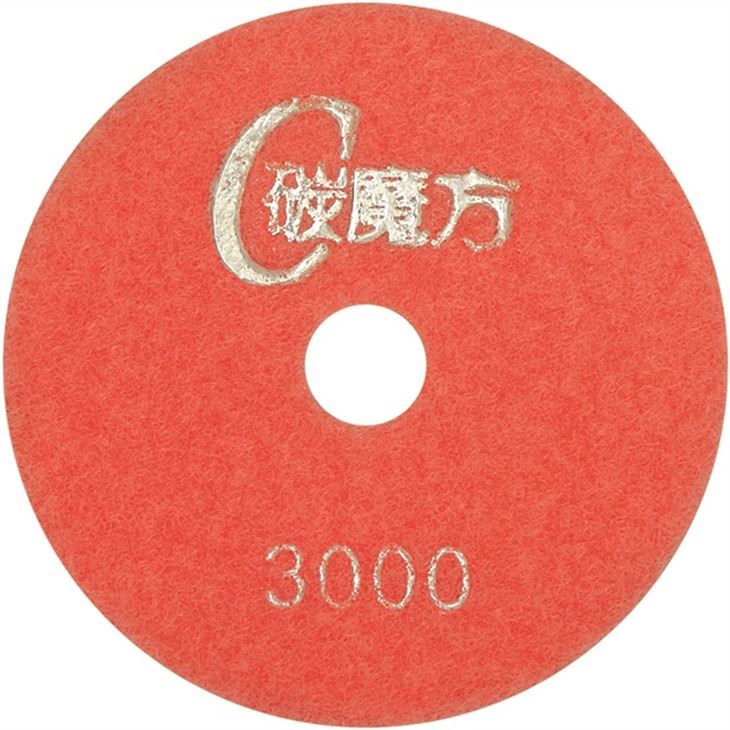
Our microfiber pads are made from high - quality synthetic fibers and are available in different grades. Whether you need a coarse microfiber pad for initial paint correction or a fine - grade pad for a show - room finish, we can provide you with the perfect solution. In addition to our standard foam and microfiber pads, we also offer Wet Resin Polishing Pads. These pads are designed for wet polishing applications and are highly effective in achieving a smooth and polished surface on a variety of materials, including stone, ceramic, and glass.
Conclusion
In conclusion, both foam and microfiber polishing pads have their own unique advantages and disadvantages. The choice between the two depends on the specific polishing task, the type of surface being polished, and your personal preferences. Foam pads are great for gentle polishing and finishing, while microfiber pads offer more cutting power for paint correction.
If you are still unsure which type of polishing pad is right for you, or if you have any questions about our product range, please do not hesitate to contact us. We have a team of experts who can provide you with personalized advice and guidance. Whether you are a professional detailer or a DIY enthusiast, we are committed to helping you achieve the best possible results with our high - quality polishing pads.
References
- "Automotive Detailing: The Complete Guide" by Detailing World Publishing
- "Polishing Techniques for Different Surfaces" by Surface Finishing Magazine
- Manufacturer's specifications and technical data sheets for foam and microfiber polishing pads.


